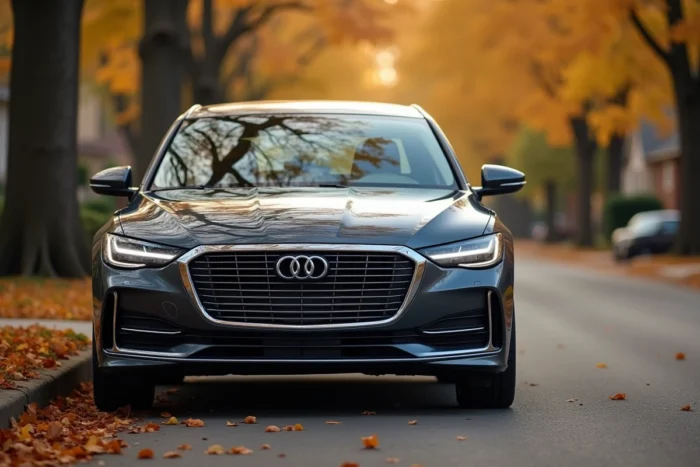
Choosing a sedan in 2020 means weighing several promises: that of comfort on long journeys, that of mechanical reliability over time, and that of a controlled budget both at purchase and in use. The sedan segment remains a safe bet for those who refuse the compromise of a raised SUV, which is often heavier and more fuel-hungry.
Driving aids and real comfort: what electronic equipment changes
Have you ever experienced that shrill sound alert after a few hours on the road, triggered by an overly zealous fatigue detection system? In recent sedans, comfort is no longer just about suspension quality or soundproofing. Driving aids profoundly change the onboard experience.
Models marketed around 2020 already feature lane-keeping systems, automatic emergency braking, and driver attention monitoring. These features provide real safety, but their calibration varies from one manufacturer to another.
On some Peugeot 508s or Renault Talismans, alerts are triggered progressively. On other models, repeated beeps can become a source of annoyance, especially during relaxed highway driving. Before buying, it’s worth testing these systems on a long trip to assess whether their level of intrusion remains tolerable on a daily basis.
To delve deeper into the question of which reliable and comfortable sedan to choose, this criterion of electronic ergonomics should be considered alongside seat quality and trunk space.

Diesel, hybrid, or gasoline sedan: which powertrain to prioritize
The choice of engine affects both the fuel budget, resale value, and driving pleasure. In 2020, three options compete in the sedan market.
Diesel for high mileage drivers
A driver who covers several tens of thousands of kilometers a year will still find an economic advantage with diesel. Fuel consumption remains significantly lower than that of a gasoline engine of equivalent power. The Peugeot 508 BlueHDi or the Mercedes C-Class 220d exemplify this advantage on the highway.
The downside is the accelerated depreciation of diesel in the used car market, fueled by traffic restrictions in large urban areas. A diesel purchased in 2020 will lose more value than a hybrid with the same mileage.
Hybrid for versatility
Hybrid sedans like the Toyota Camry or the Peugeot 508 Hybrid combine a thermal engine and an electric motor. The gain is mainly in city and suburban driving, where the electric part takes over during deceleration and low-speed phases.
The plug-in hybrid adds a larger battery, allowing for a few dozen kilometers in 100% electric mode. This choice is particularly suitable for short home-to-work commutes, provided you recharge regularly.
Gasoline for low mileage drivers
For those driving less than 15,000 km per year, a gasoline engine remains the simplest choice. Maintenance costs are generally lower than those of a diesel, and the mechanics are less complex than a hybrid. The Mazda 3 with its Skyactiv-G engine offers a good compromise between driving pleasure and efficiency.
Sedan reliability: beyond reputation, points to check
The perceived reliability of a brand is not enough to guarantee peace of mind. Two examples of the same model can age very differently depending on their maintenance history.
Here are the concrete elements to check before a purchase, especially for used cars:
- The condition of the timing belt: on a diesel or gasoline engine with a belt, replacement represents a major expense. Check the date and mileage of the last change
- The complete service book with stamps from the network or the garage, with no gaps in the history
- The wear of the suspensions and bushings, which degrade faster on sedans with soft suspension calibrated for comfort
- The operation of the automatic transmission (if equipped): test the gear shifts when cold and hot, uphill and downhill
A often overlooked point concerns the risk of theft. Some sedans are among the most targeted vehicles by criminals. This criterion deserves to be checked before purchase, if only to anticipate the cost of insurance.

Four reliable and comfortable sedans to compare in 2020
Rather than listing ten models without going into detail, let’s focus on four sedans that cover different buyer profiles.
The Peugeot 508 impresses with its design and i-Cockpit. Its generous trunk and BlueHDi or hybrid engines make it a versatile sedan. The suspension comfort is good, although the large optional wheels can stiffen the ride.
The Toyota Camry hybrid relies on proven reliability and very low consumption in mixed use. The soundproofing and seat comfort are perfect for long journeys. However, it lacks sporty character for enthusiasts of dynamic driving.
The Mercedes C-Class (W205) remains a benchmark in build quality and seating comfort. The 220d version combines efficiency with sufficient performance. Maintenance costs will be higher than those of a mainstream model, but the retained value partially compensates for this.
The Renault Talisman offers a space-to-price ratio that is hard to beat. Its interior volume rivals that of higher segment sedans. The reliability of the early models raised questions, but the versions after 2018 are proving to be more robust, particularly with the 1.7 Blue dCi engine.
The choice between these four models primarily depends on annual mileage, acceptable maintenance budget, and the priority given to comfort or driving pleasure. A well-chosen sedan in 2020 remains a rational investment compared to more costly-to-use SUVs.